Fast Plants Project
Programação
-
O projeto “ PLANTAS DE CRESCIMENTO RÁPIDO ” é sempre desenvolvido com hortaliças de crescimento rápido, que permitem a realização de experimentos para o estudo da biologia em paralelo com a metodologia e pesquisa científica: planejamento de experimentos e desenvolvimento de atitudes científicas: observação, coleta, análise e interpretação de dados e redação de relatórios com as conclusões.
Os alunos observam o desenvolvimento de hortaliças que serão plantadas no mesmo dia, em locais diferentes, e promovem a troca de informações resultantes desses experimentos. Eles participam intensamente do projeto, desde o plantio da hortaliça, sendo estimulados a observar atentamente o desenvolvimento de todas as fases dessas plantas. Este experimento leva os alunos a compreender aspectos da fisiologia e genética vegetal.
The "FAST PLANTS" project is always developed with fast-growing vegetables, which allow for experiments to be carried out for the study of biology in parallel with scientific methodology and research: planning experiments and developing scientific attitudes: observation, collection, analysis and interpretation of data and writing reports with conclusions. Students observe the development of vegetables that will be planted on the same day, in different locations, and promote the exchange of information resulting from these experiments. They participate intensely in the project, from the planting of the vegetable, being encouraged to carefully observe the development of all phases of these plants. This experiment leads students to understand aspects of plant physiology and genetics.
https://fastplants.org
Wisconsin Fast Plants were developed as research tool at the University of Wisconsin – Madison and have been used by K-16 teachers around the world for nearly 30 years as an educational model-organism.-
FAST PLANTS Project
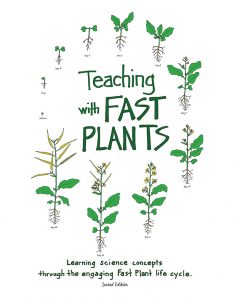
The “F A S T P L A N T” project is always developed with fast-growing vegetables that allow experiments to study biology in parallel with scientific methodology and research: planning of experiments and development of scientific attitudes: observation, collection, analysis and interpretation of data and writing of reports with the conclusions.
-
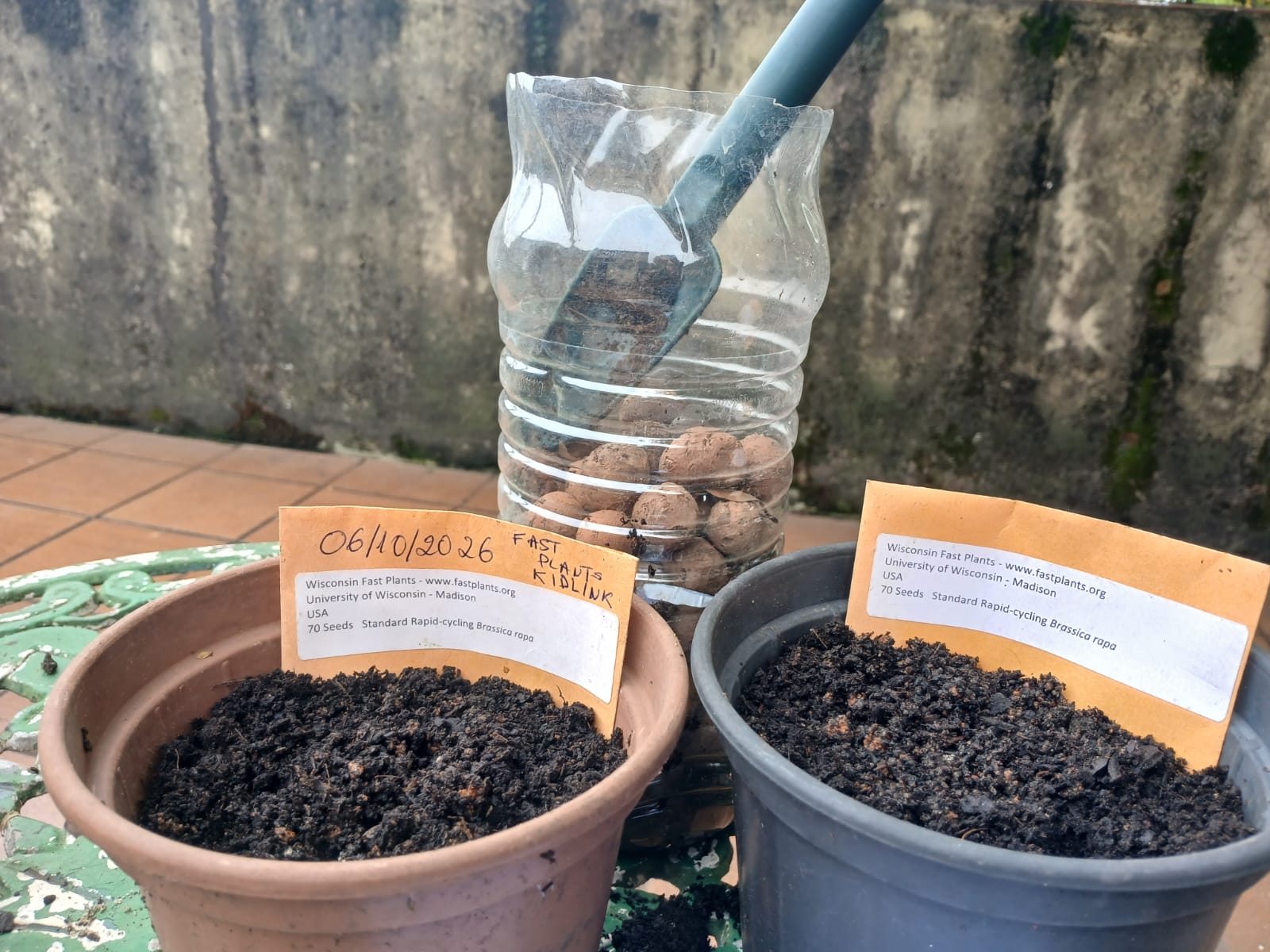
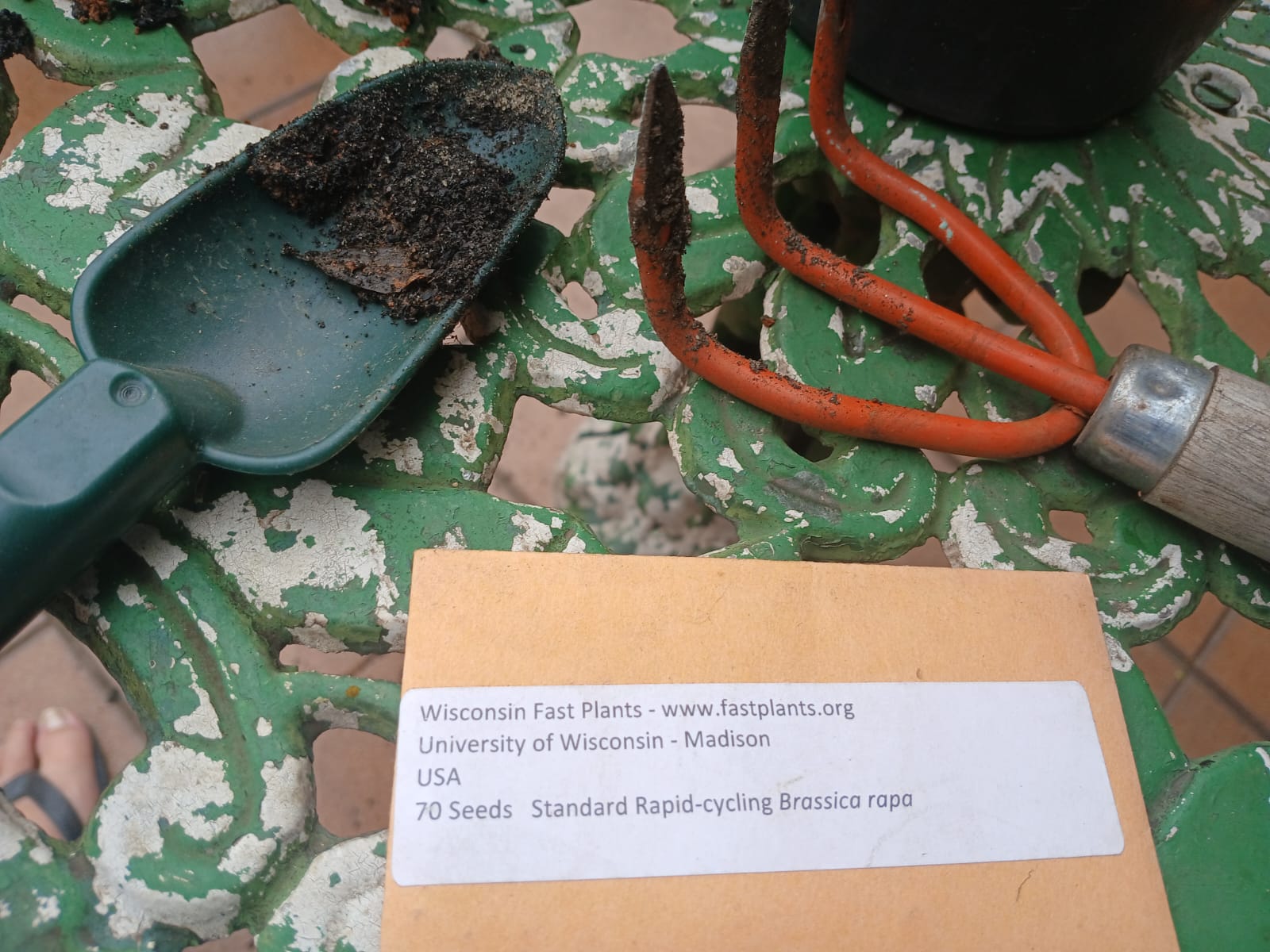
Let's plant. (Vamos plantar)
-
-
-
Vencimento: segunda-feira, 5 out. 2026, 16:03
-
-
-
Some educational objectives of the project:
-Study and understand basic concepts of Biology
-to stimulate interest in the study of genetics
-encouraging collaborative work and problem solving, interpretation and comparison of results
-working using communication tools such as Social Networks, Environment for ODL, and methodologies such as Inverted Classroom, among others.Wisconsin Fast Plants may be tolerant of a range of habitats, but their life cycle may be slower and seed yield may be reduced under non-ideal conditions. The ideal growing conditions for Wisconsin Fast Plants include[8]
- Continuous, uninterrupted, 24/7 lighting of at least 200umol/m2/s
- Temperatures of 65–78 degrees F (18-25C)
- Finely ground, well-aerated planting media with good drainage
- Continuous water availability via wicking system and reservoir
- Available fertilizer via slow-release pellets or liquid application
-
-
-
Fast Plants Space
Wisconsin Fast Plants are well-known for their rapid growth and use as a model organism in classrooms and laboratories; now they’ve once again ventured beyond Earth.
This opportunity allowed us to study Fast Plants seedlings exposed to microgravity and hopefully learn something useful for understanding nutrient dynamics in space. While plant researchers like Dr. Mary Musgrave and many others have developed foundational understandings of nutrient requirements and delivery for space-grown plants, there is still much to learn. One area of focus includes how microgravity impacts nutrient storage and mobilization, critical factors for successfully growing plants beyond Earth.
-
Growing Wisconsin Fast Plants is engaging and educational for learners of ALL ages and grade levels. These recommended resources are great for getting started with Fast Plants. You’ll find many, many more resources in our Digital Library, too.
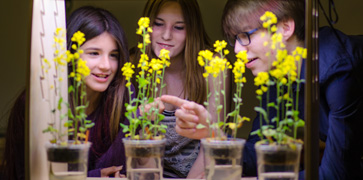
Learners gather evidence for explaining that Fast Plants—like other organisms—have a life cycle that includes “birth” or germination, growth, reproduction, and death.
Learners explore the relationship between the needs of plants and the places they live, while observing plant structures that function to support survival, growth, and reproduction.
Learners explore the relationship between the needs of plants and the places they live, while observing plant structures that function to support survival, growth, and reproduction.
-
Wisconsin Fast Plants develop from seed-to-seed in 40 days! Students and teachers can easily pollinate their own plants (flowers emerge in just two weeks!)
-
-
-
-
Fast Plants Results
These tables may also include statistical summaries and graphical displays of the data.
What can be recorded in a Fast Plants table of results?
Height: The height of each plant in a pod
Number of leaves: The number of leaves per plant
Number of flowers: The number of flowers per plant
Number of plants per pod: The number of plants in each pod
Wild-type and mutant varieties: The number of wild-type and mutant varieties in a quad
How can data be organized in a Fast Plants table of results?
Organize data in a logical and orderly manner to minimize entry errors
Compare the same types of data in the same terms of reference
Use columns for data summation and statistical analyses
What can be learned from Fast Plants tables of results?
How variation occurs in Fast Plants investigations
How to communicate observations, results, and conclusions
How to calculate and explain the ratio of dominant to recessive traits
How to discuss the effects of the growing environment on seed yield
Fast Plants are a tool used in science classes to teach genetics, ecology, and other concepts.
-
-
-
-
-
Initial proposal
Observe the development of vegetables that will be planted the same day, in different locations, and promote the exchange of information resulting from these experiments. The students participate intensively in the project, from the planting of the vegetable, and with this, are stimulated to the careful observation of the development of all phases of these plants. This experiment leads students to understand aspects of plant physiology and genetics.They sow the same type of plant (Brassica Rapa), with fast cycle and in their studies periodically record the results of plant height, number of nodes, height of the first node, number of buds, number of flowers, room temperature at each moment will compare their results with those of other students, even from different locations and climates, reinforce the awareness of the universality of scientific knowledge and the need for cooperative work.
-
-
-
-
-
FAST PLANTS in 2025
Hello everyone
We need to know which seeds will be planted by which groups. One of the schools won't plant, but will participate in all the other stages.
We now have 5 groups signed up for our Fast Plants project. That's great!
PM SHRI GOVT. SENIOR SECONDARY SCHOOL- RASULRA - KHANNA - India
TED KONYA KOLEJİ ÖZEL ANADOLU LİSESİ (2)TED KONYA COLLEGE PRIVATE ANATOLIAN HIGH SCHOOL – KONYA - Türkiye
Hürriyet MTAL - Bursa - Türkiye
Hasan Ali Yücel Anadolu lisesi
Hasan Ali Yücel Anatolian High School - Bursa - Türkiye
Teachers
KAPIL DEV SONI: kapil41623@gmail.com
Sema YETER: semaadibelli@yandex.com
Biology teacher: fahriyeasik35@gmail.com
Biology teacher: semayeter92@gmail.com
Biology teacher: biotulay@gmail.com
So we will probably start planting the seeds on september 29.
We will talk about the beginning of these activities.
If you have any questions or problems, please contact us by
MOODLE (https://estudepelainternet.com.br/cursos/course/view.php?id=15), by
email (maf.ead@gmail.com) or
WhatsApp (55 11 992116902)
Thank you
Best regards
Prof. Manoel Araujo Filho - Coordinator -
TED KONYA COLLEGE PRIVATE ANATOLIAN HIGH SCHOOL – KONYA - Türkiye
TED KONYA KOLEJİ ÖZEL ANADOLU LİSESİTeacher : Sema YETER
Students : Transition to high school for ages 15-18Hello, we planted seeds with our students on October 29th. One group of students will observe the plant in the dark, and the other group will observe the plant in the light. We received reports and photos showing how many seeds were planted in the first stage and how we performed.


-
October 2nd, 2025
Today we planted our seeds and set up the experiment. Each group prepared their pots carefully and placed them in their light and dark areas. We will start observing the germination process in the following days.
We observed sprouting in both light and dark zones. Our plants in the light zone experienced more growth and sprouting compared to the dark zone. This is how we began to see the importance of sunlight in the growth and development of living things.
For the dark zone, we observed no sprouting in our first plant. Our second plant has begun sprouting underground, but there's no movement above the soil yet. The third plant, compared to both the light and dark zones, has the longest and most beautiful sprouting, exactly 8 centimeters from the soil.
For the light zone, our first plant produced only one small sprout, 0.5 cm long. For our second plant, we observed 11 sprouts. We observed that it was healthier than the plant in the dark zone.
Our third plant, like the second plant, is in good and healthy condition. Saturday, October 4th Mobil Yandex Mail'den gönderildi
Hello, today we saw that our plants in one pot have reached 3 cm in length,
in the other pot they are quite dense, but their length is 2 cm,
we are watching with enthusiasm🫠

October 7th, 2025
Today we observed the first germination in our plants. Both experiment groups showed similar growth, while the control group had slightly fewer sprouts. The leaves have started to form, and the seedlings look healthy overall. We can already notice the first signs of development, with some plants reaching around 8–9 cm in height.October 9th, 2025
The plants have grown more since the last observation. The number of sprouts has increased, and the leaves look greener and stronger. The control group showed the most visible growth compared to the experiment groups, with some plants around 10–12 cm tall. Everything seems to be developing well, and we can clearly see progress in all groups.
-

11/10/2025
Today, all of our plants have generally grown and developed. We observed some drying and yellowing in some of our plants in the dark area, but they still look good. There is no wilting yet. Our plants in the bright area have started to become more lush, proliferate and grow taller. We will not be watering today because the soil in both areas is moist.
--
Mobil Yandex Mail'den gönderildi


-
-
-
-
-
-
-
-
-